
Japan is currently facing a serious labor shortage due to its aging population and declining workforce. To solve this problem, the Japanese government introduced a new visa system known as the Specified Skilled Worker visa, also called 特定技能 (Tokutei Ginou).
This visa allows foreign workers, including Sri Lankan candidates, to work in Japan in specific industries where there is a high demand for labor.
If you are planning to work in Japan, understanding the Specified Skilled Worker visa is essential. This guide explains everything in detail — from requirements and job sectors to salary and application process.
Understanding the Specified Skilled Worker Visa
The Specified Skilled Worker visa is a work visa designed for foreign nationals who have certain skills and basic Japanese language ability.
Unlike traditional work visas, this program focuses on practical skills rather than academic qualifications. This makes it one of the easiest and most accessible pathways for working in Japan.
The visa is divided into two categories:
- SSW Type 1 (特定技能1号)
- SSW Type 2 (特定技能2号)
Each category has different benefits and requirements.
Difference Between SSW Type 1 and Type 2
SSW Type 1 is the entry-level visa. It allows foreign workers to work in Japan for up to 5 years. However, it does not allow family members to accompany the worker.
SSW Type 2 is more advanced. It allows long-term stay and even the possibility of bringing family members to Japan. However, only a limited number of industries currently offer Type 2.
Most Sri Lankan candidates start with SSW Type 1 and later upgrade if eligible.
Industries Available Under SSW Visa
The SSW visa covers multiple industries where Japan needs workers.
Some of the most popular sectors include:
- Food service industry
- Manufacturing
- Construction
- Agriculture
- Nursing care
- Hospitality
- Cleaning services
Each sector requires candidates to pass a specific skill test.
Basic Requirements for SSW Visa
To apply for the Specified Skilled Worker visa, you must meet certain requirements.
First, you need to pass a skill test related to your chosen industry. This test checks your practical knowledge.
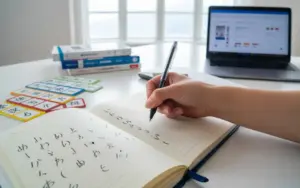
Second, you must pass a Japanese language test. Usually, JLPT N4 or equivalent is required.
Third, you need a job offer from a Japanese company. Without a job contract, you cannot apply for the visa.
These requirements ensure that workers can adapt to the Japanese work environment.
Japanese Language Requirement
Language plays a crucial role in your success in Japan.
For SSW visa, most sectors require:
- JLPT N4 level OR
- JFT-Basic Japanese Test
Having better language skills increases your chances of getting a job and earning a higher salary.
SSW Visa Application Process
The application process is straightforward but must be followed carefully.
First, you prepare for and pass the skill test and language test.
Next, you secure a job offer from a Japanese employer.
After that, your employer will help you apply for a Certificate of Eligibility (COE).
Once the COE is approved, you apply for the visa at the Japanese embassy in Sri Lanka.
Finally, after visa approval, you can travel to Japan and start working.
Salary and Benefits
One of the biggest advantages of the SSW visa is that workers receive salaries equal to Japanese workers.
Average monthly salary ranges from:
- ¥150,000 to ¥250,000 depending on the industry
In addition, you may receive:
- Overtime pay
- Bonuses
- Accommodation support
This makes it a very attractive option for foreign workers.
Working Conditions and Rights
SSW workers are protected under Japanese labor laws.
This means:
- Fair working hours
- Minimum wage compliance
- Safe working conditions
- Access to social insurance
You also receive support from registered support organizations that help you adjust to life in Japan.
Can You Change Jobs?
Yes, under the SSW visa, you can change jobs within the same industry.
However, you must inform immigration and follow proper procedures.
Pathway to Long-Term Stay
While SSW Type 1 is limited to 5 years, there are ways to stay longer in Japan.
You can:
- Upgrade to SSW Type 2
- Switch to another work visa
- Gain more skills and qualifications
This creates long-term career opportunities in Japan.
Common Mistakes to Avoid
Many applicants face problems due to simple mistakes.
Avoid these:
- Not preparing properly for skill tests
- Weak Japanese language skills
- Applying without a job offer
- Choosing unreliable agents
Proper preparation and guidance can prevent these issues.
Why Choose Jobpartner Japanese Language School Sri Lanka
If you want to succeed in the SSW pathway, proper training and guidance are essential.
Jobpartner Japanese Language School Sri Lanka provides complete support including:
- Japanese language training (N5 to N4+)
- Skill test preparation
- Job matching support
- Visa processing guidance
This increases your chances of success and helps you build a stable career in Japan.
Frequently Asked Questions
1. What is Specified Skilled Worker visa Japan?
It is a work visa that allows foreign workers to work in specific industries in Japan.
2. What is the difference between SSW Type 1 and Type 2?
Type 1 is temporary (up to 5 years), while Type 2 allows long-term stay and family support.
3. What is the salary for SSW workers in Japan?
Average salary ranges from ¥150,000 to ¥250,000 per month.
4. Is Japanese language required for SSW visa?
Yes, usually JLPT N4 or equivalent is required.
5. Can Sri Lankan citizens apply for SSW visa?
Yes, Sri Lankan candidates can apply if they meet the requirements.
6. Do I need a job offer before applying?
Yes, a job offer from a Japanese employer is required.