
Japan is currently experiencing one of the biggest labor shortages in its history. Due to its aging population and declining workforce, Japanese companies are actively hiring foreign workers through the Specified Skilled Worker visa program, also known as 特定技能 (Tokutei Ginou).
For Sri Lankan students and job seekers, the SSW visa has become one of the best opportunities to build a stable career in Japan. Compared to many traditional work visas, the SSW pathway is easier, faster, and more accessible for candidates who are willing to learn Japanese and develop practical skills.
However, many people still do not clearly understand the actual requirements for the SSW visa. Without proper preparation, candidates often fail language exams, submit incorrect documents, or misunderstand the application process.
This complete guide explains everything you need to know about SSW visa requirements for Sri Lankan students, including eligibility, language requirements, skill tests, documents, salary, and the step-by-step process for working in Japan.
Understanding the SSW Visa System in Japan
The Specified Skilled Worker visa was introduced by the Japanese government to solve labor shortages in industries where there are not enough Japanese workers.
Unlike highly skilled work visas, the SSW visa focuses more on practical ability than university degrees. This creates a major opportunity for Sri Lankan students and young workers who want to work abroad.
The visa is divided into two categories:
- Specified Skilled Worker Type 1 (特定技能1号)
- Specified Skilled Worker Type 2 (特定技能2号)
Most foreign workers start with Type 1.
Under this visa, foreign workers can legally work in Japan in approved industries while receiving salaries and labor protections similar to Japanese workers.
Who Can Apply for the SSW Visa
Many Sri Lankan candidates think the SSW visa is only for highly experienced workers, but that is not true.
In general, you can apply if you:
- Are at least 18 years old
- Have basic Japanese language ability
- Pass the required skill test
- Receive a job offer from a Japanese company
- Are physically and mentally fit to work
Higher education is helpful but not always mandatory.
This makes the SSW pathway one of the most realistic options for Sri Lankan students who want to start a career in Japan.
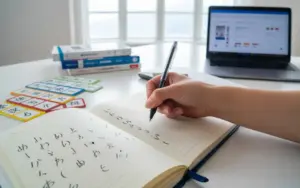
Japanese Language Requirements for SSW Visa
Japanese language ability is one of the most important requirements.
Most industries require candidates to pass:
- JLPT N4 level OR
- JFT-Basic Japanese Test
This level proves that you can handle daily communication and understand workplace instructions.
Without language skills, it becomes very difficult to:
- Pass interviews
- Communicate at work
- Adapt to Japanese culture
- Understand safety instructions
That is why serious language training should be your first priority.
Why JLPT N4 is Important
Many candidates focus only on passing exams, but language ability affects your entire future in Japan.
Students with stronger Japanese skills often:
- Get better jobs
- Earn higher salaries
- Adapt faster
- Receive promotions more easily
Although N4 is usually the minimum requirement, aiming for N3 can give you a major advantage.
Skill Test Requirements
In addition to Japanese language ability, candidates must pass a skill test related to their industry.
The test checks practical knowledge and basic workplace understanding.
Different industries have different exams.
Popular SSW sectors include:
- Food service
- Manufacturing
- Construction
- Agriculture
- Nursing care
- Hospitality
- Cleaning services
Each industry requires specific preparation.
For example, food service candidates learn hygiene, customer service, and restaurant operations, while construction candidates study workplace safety and tools.
Educational Requirements
Unlike many work visas, the SSW visa does not always require a university degree.
However, you should have:
- Basic school education
- Ability to understand training materials
- Strong discipline and communication skills
Students with previous work experience may have additional advantages during interviews.
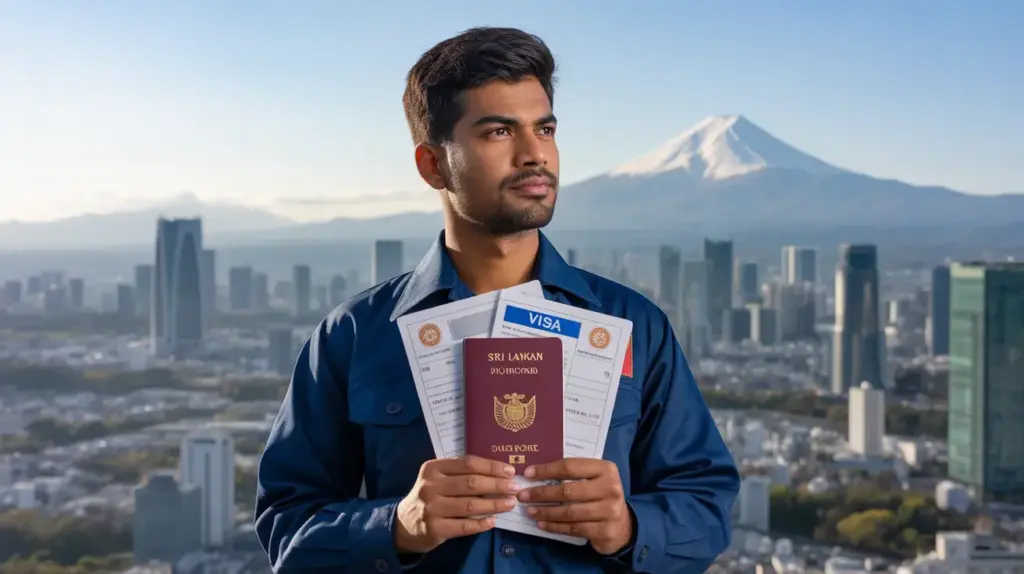
Required Documents for SSW Visa
Preparing documents correctly is extremely important.
Commonly required documents include:
- Valid passport
- Passport-size photos
- Japanese language certificate
- Skill test certificate
- Resume or CV
- Educational certificates
- Job offer letter
- Employment contract
Some employers may request additional documents depending on the industry.
Consistency in your documents is very important because Japanese immigration carefully checks all information.
How to Get a Job Offer
One of the biggest requirements for the SSW visa is securing a job offer from a Japanese employer.
This usually happens through:
- Recruitment agencies
- Registered support organizations
- Partner companies
The company must officially hire you before the visa process can begin.
During interviews, employers often evaluate:
- Japanese communication ability
- Discipline
- Attitude
- Motivation to work in Japan
Good preparation significantly increases your chances.
SSW Visa Application Process
The overall process can feel complicated at first, but it becomes much easier when broken into steps.
First, you learn Japanese and prepare for exams.
Second, you pass the language and skill tests.
Third, you attend interviews and receive a job offer.
Fourth, the employer applies for your Certificate of Eligibility (COE).
Finally, after COE approval, you apply for your visa at the Japanese embassy in Sri Lanka.
If all documents are correct, the process is usually smooth.
Certificate of Eligibility (COE)
The Certificate of Eligibility is one of the most important documents in the process.
This document is issued by Japanese immigration and confirms that you meet visa requirements.
Without COE approval, you cannot receive your visa.
The employer usually handles this process with immigration in Japan.
Salary and Benefits Under SSW Visa
One of the biggest reasons why Sri Lankan candidates choose the SSW pathway is salary potential.
Average monthly salaries range from:
- ¥150,000 to ¥250,000
Some workers may earn even more with overtime.
Additional benefits may include:
- Accommodation support
- Transportation allowance
- Social insurance
- Bonus payments
Japanese labor law also protects foreign workers from unfair treatment.
Can SSW Workers Change Jobs?
Yes, workers can change jobs within the same industry category.
For example, a worker in food service can move to another food service company.
However, immigration procedures must be followed correctly.
Long-Term Career Opportunities in Japan
Many people think SSW is only temporary, but it can lead to long-term opportunities.
Possible future pathways include:
- Upgrading to SSW Type 2
- Switching to another work visa
- Continuing career growth in Japan
Some industries now allow long-term residence options under Type 2.
Common Mistakes Sri Lankan Candidates Make
Many applicants fail because of avoidable mistakes.
Common problems include:
- Weak Japanese language skills
- Poor exam preparation
- Using fake or unreliable agents
- Submitting incorrect documents
- Not understanding job contracts
These mistakes can delay or damage your Japan career plan.
Why Choose Jobpartner Japanese Language School Sri Lanka
Choosing the right support system is one of the most important decisions for your future.
Jobpartner Japanese Language School Sri Lanka helps students and job seekers prepare for successful careers in Japan through:
- Japanese language training (N5 to N4+)
- SSW exam preparation
- Interview guidance
- Job support
- Visa processing assistance
With proper guidance and structured learning, your chances of success become much higher.
Frequently Asked Questions
1. What are the requirements for SSW visa in Japan?
You need Japanese language ability (JLPT N4 or equivalent), skill test certification, a valid passport, and a job offer from a Japanese company.
2. Is JLPT N4 mandatory for SSW visa?
Most industries require JLPT N4 or JFT-Basic level Japanese ability.
3. Can Sri Lankan students apply for SSW visa?
Yes, Sri Lankan students and workers can apply if they meet the required conditions.
4. How much salary do SSW workers get in Japan?
Most workers earn between ¥150,000 and ¥250,000 per month depending on the industry and overtime.
5. Do I need work experience for SSW visa?
Not always. Some industries accept beginners if they pass the required tests.
6. How long does the SSW visa process take?
The full process may take several months depending on exams, interviews, and COE approval.
The SSW visa has opened a major opportunity for Sri Lankan students and workers who want a better future in Japan.
With the right preparation, language ability, and support, you can successfully build your career in Japan.
The best time to start preparing is now.